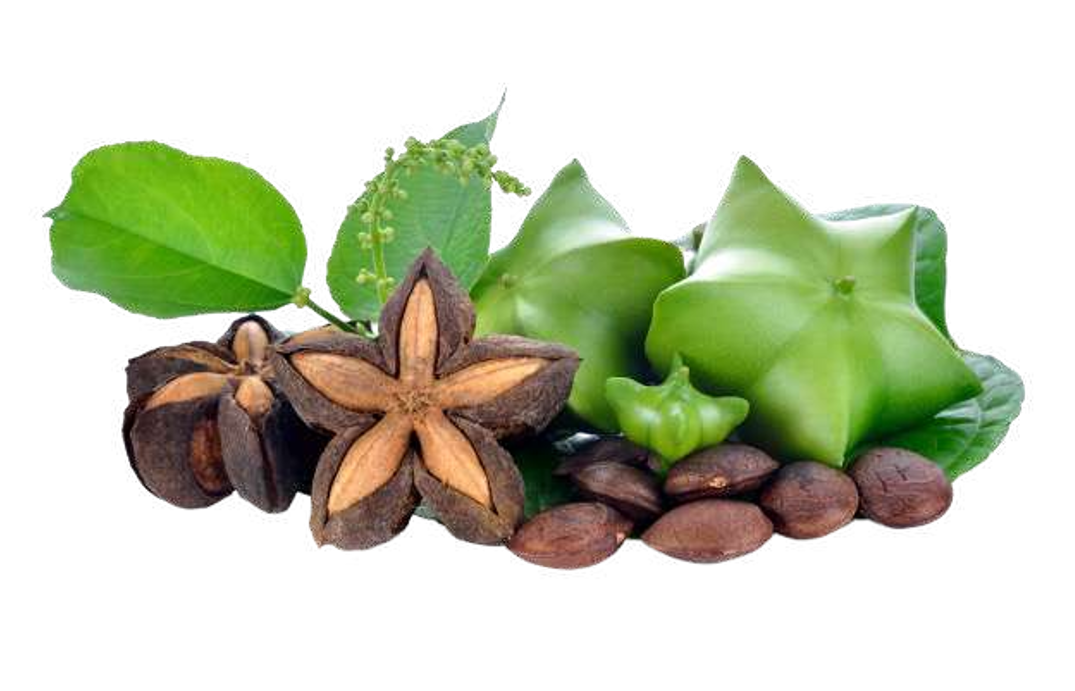
Sacha Inchi Indonesia
Safety, Antinutrients, and Processing of Sacha Inchi
Sacha inchi safety must be assessed according to the plant part, material form, processing method, dose, and intended use. Oil, roasted seeds, flour, press cake, leaf extracts, and formulated products have different risk profiles and quality requirements.
WHY RAW SEEDS REQUIRE PROCESSING
Seeds and press cake may contain antinutritional factors such as trypsin inhibitors, phytate, tannins, and saponins. If uncontrolled, these compounds may interfere with protein digestion, bind minerals, affect taste, or limit ingredient use. Raw seeds should therefore not be consumed directly.
THERMAL PROCESSING
Research indicates that roasting, hot-air treatment, autoclaving, and extrusion can reduce selected antinutritional factors. Effectiveness depends on temperature, time, particle size, moisture, and equipment configuration. No single condition should be considered universally applicable without validation.
Insufficient processing may fail to control antinutrients or microbial load. Excessive heat may impair sensory quality, damage nutrients, accelerate lipid oxidation, and change protein functionality. Process development must balance safety, nutritional quality, stability, and consumer acceptance.
KEY CONTROL PARAMETERS
For seeds and processed foods, a quality program may include identity, moisture and water activity, total plate count, yeast and mould, relevant pathogens, aflatoxins or other mycotoxins based on risk, heavy metals, pesticide residues, selected antinutrients, rancidity, package integrity, and shelf life.
For oil, key parameters include FFA or acid value, peroxide value, p-anisidine value, TOTOX, moisture, fatty-acid profile, contaminants, and oxidative stability. Leaf extracts or concentrated ingredients require chemical identification, marker standardization, residual-solvent testing, contaminants, and appropriate toxicological evaluation.
FROM PROCESS TO EVIDENCE
Process validation demonstrates that defined conditions consistently produce material meeting specifications. It requires characterized starting material, critical process parameters, sampling and analytical methods, acceptance criteria, batch documentation, and stability studies.
POPULATIONS REQUIRING CAUTION
For many product forms, safety data remain limited in pregnancy, breastfeeding, children, people with specific diseases, and use alongside medicines. Individuals with seed or nut allergies, digestive sensitivity, or chronic therapy should review product composition and seek professional advice when appropriate.
CONSUMER AND PRODUCER RESPONSIBILITIES
Consumers should select products with a clear manufacturer identity, appropriate authorization, directions for use, batch number, expiry date, and intact packaging. Producers should not imply that one process automatically guarantees all batches. Safety is built through qualified suppliers, SOPs, sanitation, validation, testing, traceability, and complaint handling.
CONCLUSION
Sacha inchi offers considerable food and innovation potential, but this must be matched by safety discipline. Appropriate processing can reduce antinutritional factors; performance must be demonstrated for the actual material and process used.
EVIDENCE LEVEL: Laboratory and preclinical evidence supports the need for processing; final-product safety must still be verified specifically.
Selected references:
Srichamnong W, et al. Food Sci Nutr. 2018;6:962–969. doi:10.1002/fsn3.633.
Suwanangul S, et al. Asian Health Sci Technol Rep. 2021;29(3):43–55. doi:10.14456/nujst.2021.25.
Vera EL, et al. 2024. PMID:39296119.